The American Academy of Arts and Sciences was founded by visionaries who foresaw that the nascent republic would benefit from the expertise of learned citizens to guide its development, health, and integrity through any challenges that may arise.
Today, the clarity of that vision has never been more evident. We find ourselves in a time of brittle divides across lines of politics, race, religion, income, and opportunity. The institutions we have long turned to for leadership and information are buffeted by multiple challenges as trust in national institutions, such as the media, government, commercial enterprise, and academia, declines. Strong and responsive institutions and a healthy civil society can carry us through crises and are vitally important in their aftermath.
From these circumstances springs an ever-greater need for innovation and reinvestment in America’s founding values and its promise. As the Academy’s report Our Common Purpose: Reinventing American Democracy for the 21st Century notes, we are experiencing an age of surging civic participation, “of communities working to build new connections across long-standing divides, and of citizens suddenly awakening to the potential of their democratic responsibilities.” It is in times like these that members of the Academy, through projects in the American Institutions, Society, and the Public Good program, combine their extraordinary and diverse expertise to strengthen the relationships between our governing institutions, civil society, and the citizens they serve and represent.
Project
Commission on the Practice of Democratic Citizenship
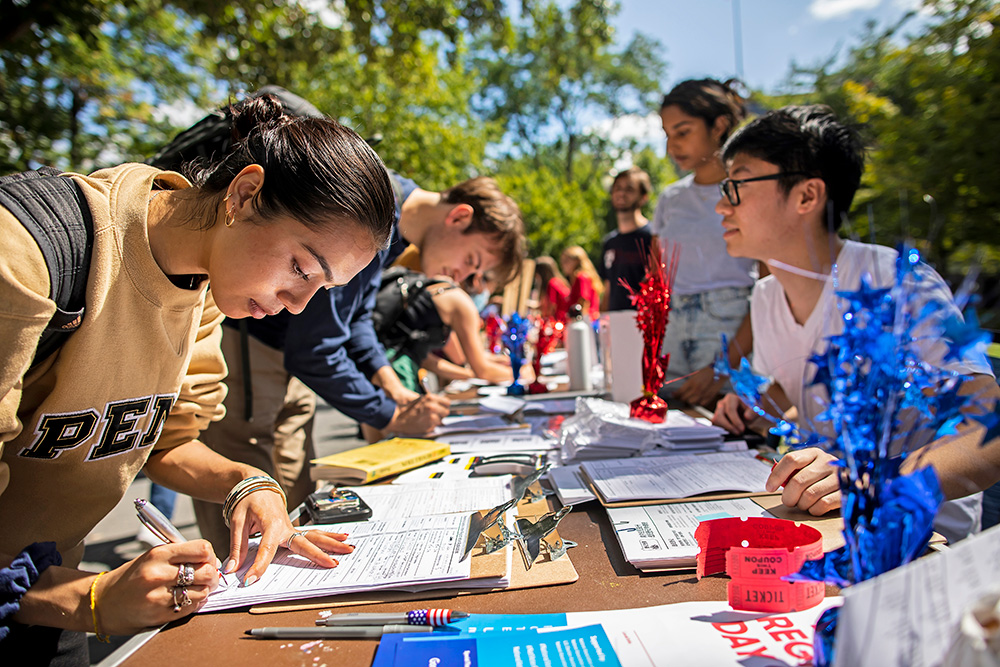
The Commission on the Practice of Democratic Citizenship is a multiyear project of the Academy. The Commission launched in 2018 to explore the factors that encourage and discourage people from becoming engaged in their communities. The Commission’s report, Our Common Purpose: Reinventing American Democracy for the 21st Century, seeks to improve democratic engagement in the United States with a set of thirty-one recommendations that reach across political institutions, civic culture, civic education, and civil society to revitalize American democracy by increasing representation, empowering voters, making institutions more responsive, and reinvigorating our civic culture.
The Academy committed to make significant progress on the recommendations by 2026, the nation’s 250th anniversary. In collaboration with champion organizations and leaders from across the nation, the Academy hosted public events and targeted briefings, provided expert testimony and thought leadership, convened experts and practitioners for knowledge sharing and strategy development, supported opinion essays and other earned media, and in other ways facilitated the ongoing implementation of Our Common Purpose.
COMMISSION CHAIRS
Danielle Allen
Harvard University
Stephen B. Heintz
Rockefeller Brothers Fund
Eric P. Liu
Citizen University
COMMISSION MEMBERS
Sayu Bhojwani
Women’s Democracy Lab
danah boyd
Data & Society
Caroline Brettell
Southern Methodist University
David Brooks
The Atlantic
David Campbell
University of Notre Dame
Alan Dachs
Fremont Group
Dee Davis
Center for Rural Strategies
Jonathan Fanton
American Academy of Arts and Sciences
Lisa García Bedolla
University of California, Berkeley
Sam Gill
Doris Duke Charitable Foundation
R. Marie Griffith
Washington University in St. Louis
Hahrie Han
Johns Hopkins University
Antonia Hernández
formerly, California Community Foundation
Wallace Jefferson
Alexander Dubose & Jefferson, LLP
Joseph Kahne
University of California, Riverside
Kei Kawashima-Ginsberg
formerly, Tufts University
Yuval Levin
American Enterprise Institute
Carolyn Lukensmeyer
formerly, National Institute for Civil Discourse
Martha McCoy
formerly, Paul J. Aicher Foundation
Lynn Nottage
Playwright
Steven Olikara
Bridge Entertainment Labs
Norman J. Ornstein
American Enterprise Institute
Robert Peck
FPR Partners
Pete Peterson
Pepperdine University
Miles Rapoport
100% Democracy
Michael Schudson
Columbia University
Sterling Speirn
formerly, National Conference on Citizenship
Marcelo Suárez-Orozco
University of Massachusetts Boston
Ben Vinson III
Harvard University
Diane P. Wood
American Law Institute
Judy Woodruff
PBS NewsHour
Ethan Zuckerman
University of Massachusetts Amherst
PROJECT STAFF
Jonathan D. Cohen
(2020–2026)
Joan and Irwin Jacobs Senior Program Officer for American Institutions, Society, and the Public Good
Kelsey Ensign
Louis W. Cabot Humanities Policy Fellow and Program Officer for American Institutions, Society, and the Public Good
Zachey Kliger
(2022–2026)
Program Associate for American Institutions, Society, and the Public Good
Jessica Lieberman
Joan and Irwin Jacobs Senior Program Officer for American Institutions, Society, and the Public Good
Victor Lopez
Program Associate for American Institutions, Society, and the Public Good
Peter Robinson
Chief Program Officer
Tony B. Shivers
Government Relations Officer
Betsy Super
Program Director for American Institutions and Global Security
FUNDERS
S. D. Bechtel, Jr. Foundation
Rockefeller Brothers Fund
The John S. and James L. Knight Foundation
The William and Flora Hewlett Foundation
Ford Foundation
The Conrad N. Hilton Foundation
The Clary Family Charitable Fund
Alan and Lauren Dachs
Sara Lee Schupf and the Lubin Family Foundation
Joan and Irwin Jacobs
Patti Saris
David M. Rubenstein
COMMISSION PUBLICATIONS
An America 250th Journal: Semiquincentennial Perspectives (American Academy of Arts and Sciences, 2026)
Preparing Students for Civic Life: A Guide for Higher Education Leaders (American Academy of Arts and Sciences, 2026)
Expanding Representation: Reinventing Congress for the 21st Century (American Academy of Arts and Sciences, 2025)
Habits of Heart and Mind: How to Fortify Civic Culture (American Academy of Arts and Sciences, 2024–2025)
The Case for Supreme Court Term Limits (American Academy of Arts and Sciences, 2023)
The Case for Enlarging the House of Representatives, Lee Drutman, Jonathan D. Cohen, Yuval Levin, and Norman J. Ornstein (American Academy of Arts and Sciences, 2021)
Our Common Purpose: Reinventing American Democracy for the 21st Century (American Academy of Arts and Sciences, 2020)
The Political and Civic Engagement of Immigrants, Caroline Brettell (American Academy of Arts and Sciences, 2020)
The Data Driving Democracy, Christina Couch (American Academy of Arts and Sciences, 2020)
MEETINGS
Are You Curious About Proportional Representation?
February 24, 2026
Virtual
America today presents a challenging landscape of deep polarization, partisan gridlock, rampant gerrymandering, and record low levels of trust in political institutions, making solutions that could meaningfully improve our politics more important than ever. This virtual event, cohosted with Democracy Notes, explored how proportional representation could be one such solution. The event included discussion of the 2025 Academy report, Expanding Representation: Reinventing Congress for the 21st Century.
Featured Speakers
Colin Cole
More Equitable Democracy
Didi Kuo
Stanford University
Gabe Lerner
Democracy Notes
Grant Tudor
Protect Democracy
A Celebration of Our Common Purpose
June 2, 2026
House of the Academy, Cambridge, MA
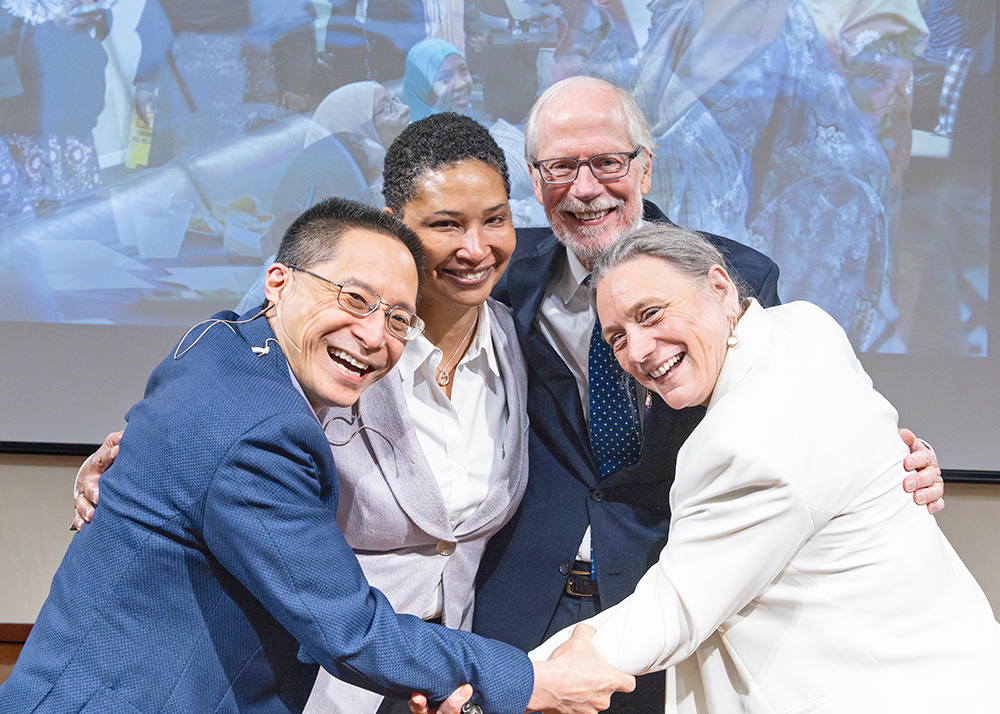
Upon the release of the Our Common Purpose report in June 2020, the Academy made a commitment to work to advance the report’s recommendations through July 2026, the 250th anniversary of the Declaration of Independence. In June 2026, the Academy brought together many of the people who have been instrumental in the implementation work that flowed from this commitment to thank them and provide an opportunity for reflection and collaboration.
Featured Speakers
Danielle Allen
Harvard University
Andy Craig
Rainey Center
Alex Edgar
Made By Us
Lisa García Bedolla
University of California, Berkeley
Hollie Russon Gilman
New America
Verneé Green
Mikva Challenge
Stephen Heintz
Rockefeller Brothers Fund
Anastasia Khoo
American Promise
Eunice Lin-Nichols
Co-Generate
Eric Liu
Citizen University
Carolyn Lukensmeyer
formerly, National Institute for Civil Discourse
Steven Olikara
Bridge Entertainment Labs
Laurie L. Patton
American Academy of Arts and Sciences
Pete Peterson
Pepperdine School of Public Policy
Civic Collaboratory Meeting
July 23–24, 2026
House of the Academy, Cambridge MA
The Civic Collaboratory is a national network of diverse, civic innovators from across many domains that seeds new approaches to address civic challenges. The Academy and Citizen University cohosted the 50th meeting of the Collaboratory. The event included discussion of the 250th anniversary of the Declaration of Independence, the Academy’s role in revolutionary American history, and what it means to be part of a collective effort in service of the public good.
Reflecting on America’s 250th Convening
September 22, 2026
House of the Academy, Cambridge, MA
As America’s 250th commemorative year came to a close, the Academy convened a group of journalists, practitioners, and partners to reflect on the stories, events, and ideas that resonated throughout the year in their respective fields of work. They also considered how lessons from the year could inform future milestones, including anniversaries of the Constitution and other pivotal moments in America’s history.
Proportional Representation at the State Level
December 2, 2026
Ford School of Public Policy,
University of Michigan, Ann Arbor, MI
At this event, members of the Academy’s Electoral Design Working Group discussed the recent working group report, Expanding Representation: Reinventing Congress for the 21st Century, and the benefits that could come from moving toward proportional representation at the state level.
Featured Speakers
John Carey
Dartmouth College
Jennifer McCoy
Georgia State University
Maria Perez
Democracy Rising
COMMISSION WORKING GROUP
Local Democracy Working Group
June 2025–January 2026
Local, place-based democracy work is consistently undervalued and encounters challenges that differ in important ways from those faced by national organizations. Beginning in June 2025, the Academy convened a working group of practitioners, scholars, and other experts to examine these challenges and address the broader systemic issues associated with place-based democracy work.
WORKING GROUP MEMBERS
Archon Fung, Cochair
Harvard University
Martha McCoy, Cochair
formerly, Paul J. Aicher Foundation
Richard Young, Cochair
Civic Lex
Courtney Bengtson
Cambr
Charlie Brown
Trust for Civic Life
Kayla DeMonte
Citizen University
Hollie Russon Gilman
New America
Shamichael Hallman
Urban Libraries Council
Darryl Holliday
News Futures; Commoner Company
Liz Joyner
The Village Square
Matt Leighninger
Center for Democracy Innovation, National Civic League
Carolyn Lukensmeyer
formerly, National Institute for Civil Discourse
Bridget Marquis
Reimagining the Civic Commons
David Martinez III
AZ Impact for Good
Andrew Perrin
Johns Hopkins University
Steve Rathgeb Smith
Georgetown University
Project
Commission on Reimagining Our Economy
In the United States today, too many families are unable to achieve the life they want despite their best efforts, too many communities have not benefited from economic growth, and too many Americans believe the economy does not work for them. These conditions not only harm lives and livelihoods, but they also sow distrust in our political, economic, and community institutions. The widespread belief that the economy does not give everyone a fair chance exacerbates tensions among Americans, threatening the nation’s social fabric and its democracy.
The Academy launched the Commission on Reimagining Our Economy (CORE) in October 2021 with the goal of directing a focus from how the economy is doing toward how Americans are doing. The Commission builds on the work of Our Common Purpose, which acknowledges that economic conditions shape the practice of democracy but does not offer recommendations specifically targeted at economic issues.
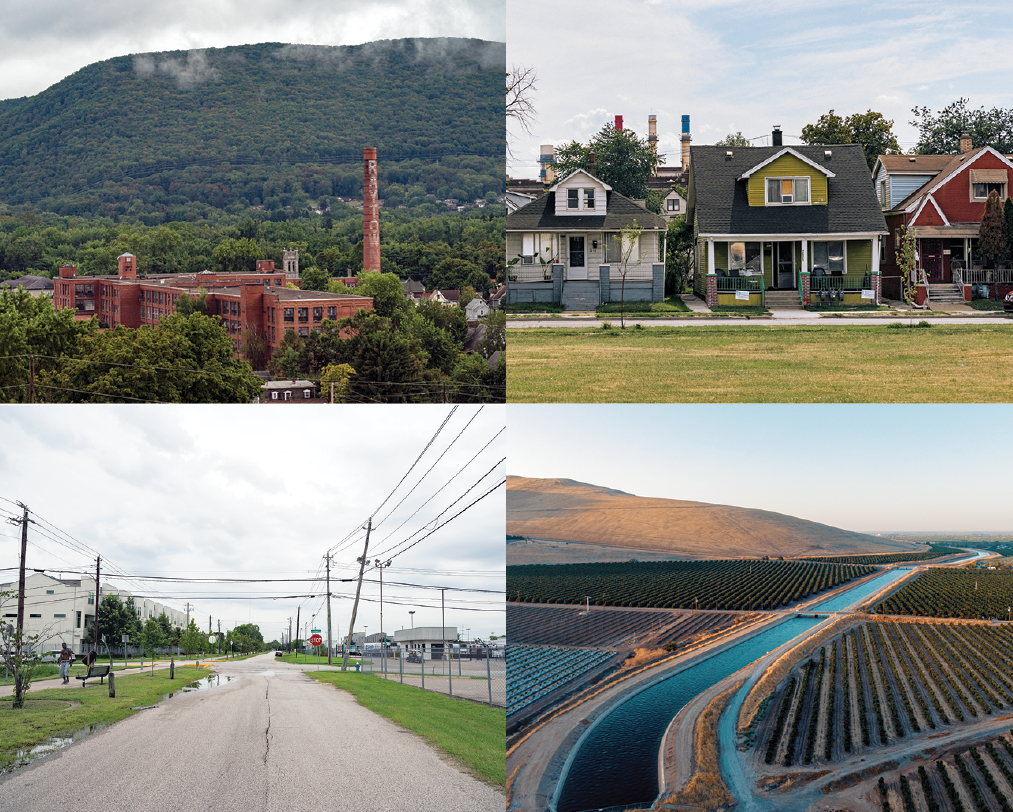
The interdisciplinary Commission comprises scholars, journalists, artists, and leaders from the faith, labor, business, education, and philanthropic communities. Drawing on thirty-one listening sessions held across the country, the Commission came to consensus on fifteen recommendations to advance a people-first economy. In addition to a final report, the Commission produced a book of photojournalism highlighting the lives of median-income Americans in four communities as well as a data dashboard, the CORE Score, offering a county-level assessment of American well-being.
COMMISSION CHAIRS
Katherine J. Cramer
University of Wisconsin–Madison
Ann M. Fudge
formerly, Young & Rubicam Brands
Nicholas B. Lemann
Columbia University Graduate School of Journalism
COMMISSION MEMBERS
Daron Acemoglu
Massachusetts Institute of Technology
Elizabeth Anderson
University of Michigan
Cornell William Brooks
Harvard Kennedy School
Whitney Kimball Coe
Center for Rural Strategies
Sarah Cross
Stand Together
Jane Delgado
National Alliance for Hispanic Health
James Fallows
Our Towns Civic Foundation
Helene Gayle
formerly, Spelman College
Jacob Hacker
Yale University
Tom Hanks
Actor and Filmmaker
Mary Kay Henry
formerly, Service Employees International Union
Kelly Lytle Hernández
University of California, Los Angeles
Megan Minoka Hill
The MacArthur Foundation
Reid Hoffman
Greylock Partners
Serene Jones
Union Theological Seminary
Goodwin Liu
Supreme Court of California
Maya MacGuineas
Committee for a Responsible Federal Budget
James Manyika
Google-Alphabet
Katherine Newman
University of California
Viet Thanh Nguyen
University of Southern California
Ruth Simmons
Harvard University
Matthew Slaughter
Tuck School of Business, Dartmouth College
Anna Deavere Smith
New York University
Joseph Stiglitz
Columbia University
Michael Strain
American Enterprise Institute
Mark Trahant
Indian Country Today
Kenneth L. Wallach
Central National Gottesman, Inc.
PROJECT STAFF
Jonathan D. Cohen
(2020–2026)
Joan and Irwin Jacobs Senior Program Officer for American Institutions, Society, and the Public Good
Kelsey Ensign
Louis W. Cabot Humanities Policy Fellow and Program Officer for American Institutions, Society, and the Public Good
Victor Lopez
Program Associate for American Institutions, Society, and the Public Good
Peter Robinson
Chief Program Officer
Tony B. Shivers
Government Relations Officer
Betsy Super
Program Director for American Institutions and Global Security
FUNDERS
The William and Flora Hewlett Foundation
The C&P Buttenwieser Foundation
The James Irvine Foundation
Omidyar Network
David M. Rubenstein
Patti Saris
COMMISSION PUBLICATIONS
How to Elect More Working-Class Americans and Why It Matters, Nicholas Carnes and Noam Lupu (American Academy of Arts and Sciences, 2026)
Community Partnership Visas: How Immigration Can Boost Local Economies (American Academy of Arts and Sciences, 2025)
Fostering Economic Connectedness (American Academy of Arts and Sciences, 2025)
Advancing a People-First Economy (American Academy of Arts and Sciences, 2023)
Faces of America: Getting By in Our Economy (American Academy of Arts and Sciences, 2023)
COMMISSION WORKING GROUP
Working-Class Candidates Working Group
May 2025–December 2026
A key recommendation in Advancing a People-First Economy calls for creating a “Training and Financing Program to Help Working-Class Americans Run for Political Office.” Political scientists Nicholas Carnes and Noam Lupu began working with the Academy in Spring 2025 to refine the Commission’s proposal and identify fruitful paths for making this recommendation a reality. The Academy convened a cross-disciplinary group of experts to address several key questions: Why does it matter that working-class people have access to elected office? What prevents working-class people from holding office? What remedies have the most promise and the clearest evidentiary basis? What is the relationship between worker representation and the representation of other key groups, like veterans, women, and people of color? What are the expected political outcomes of electing a more economically diverse cohort of lawmakers? The Academy released How to Elect More Working-Class Americans and Why It Matters in 2026.
Working Group Chairs
Nicholas Carnes
Duke University
Noam Lupu
Vanderbilt University
Working Group Members
Adam Bonica
Stanford University
Andrea Campbell
Massachusetts Institute of Technology
Katherine J. Cramer
University of Wisconsin–Madison
Jake Grumbach
University of California, Berkeley
Sasha Achen Killewald
University of Michigan
Jane Mansbridge
Harvard University
Tali Mendelberg
Princeton University
Lara Putnam
University of Pittsburgh
Kay Schlozman
Boston College
MEETINGS
How to Elect More Working-Class Americans
September 2, 2026
Boston, MA
Working-class Americans make up more than half of the U.S. labor force, yet they are rarely represented in elected office. Their absence from public service weakens trust in government and makes it harder for political institutions to respond to the needs of working people. The issue is not a lack of interest or qualifications, but the personal and financial burdens of running for office, which working-class people are less able to bear.
Academy President Laurie Patton moderated a conversation with Nicholas Carnes (Duke University) and Noam Lupu (Vanderbilt University), authors of the report, How to Elect More Working-Class Americans and Why It Matters. The report outlines reform blueprints for political parties, unions, interest groups, funders, and policymakers aimed at increasing the number of working-class candidates and officeholders.
Project
Housing Solutions and Anchor Institutions Initiative
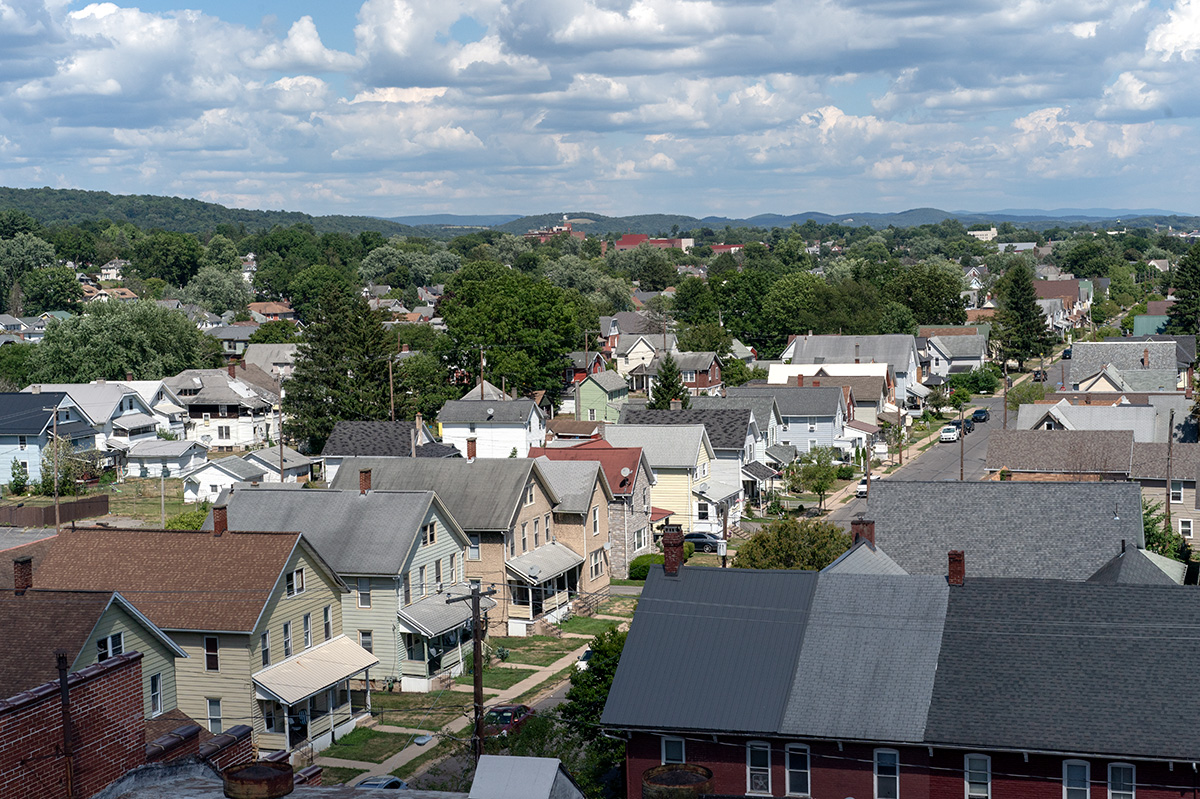
Too many Americans across the country are facing housing insecurity. This unprecedented, national housing crisis shows no sign of abating. As the crisis reaches more communities and more families, it is time to look for what one New York City official calls “empowered shepherds.” At the local level, these shepherds include anchor institutions—universities and colleges, faith-based institutions, medical centers, and philanthropies—that can facilitate the creation of affordable housing. As employers, landowners, and mission-driven organizations, anchor institutions have incentives and resources to advance pro-housing strategies in their communities.
The Academy approved this new project in May 2025 with the goal of empowering leaders of anchor institutions to advance affordable housing solutions in their communities. The project, which builds off an exploratory meeting held in January 2025, has three key objectives: producing a blueprint document that enumerates options and best practices for local institutions, featuring new artistic work that uplifts the stories of Americans impacted by the housing crisis, and hosting a series of catalyzing convenings in communities across the country.
Research on the roots of the housing crisis in America is well established, but this focus on local institutions and housing remains underdeveloped. The Academy’s housing initiative is working to move the field forward by gathering and disseminating practical, place-based solutions for leaders in higher education, health care, philanthropy, and other anchor organizations.
PROJECT CHAIRS
Paula J. Giddings
Smith College
Shirley Mahaley Malcom
American Association for the Advancement of Science
ADVISORY GROUP MEMBERS
Eve Blau
Harvard Graduate School of Design
Joanne Berger-Sweeney
Trinity College
Prabal Chakrabarti
Federal Reserve Bank of Boston
Allison Clark
The MacArthur Foundation
Meagan Ehlenz
Arizona State University
Marcia Fudge
Taft Stettinius & Hollister
Ben Metcalf
Terner Center for Housing Innovation, University of California, Berkeley
Ross Perot Jr.
The Perot Companies and Hillwood
Dawn Porter
Trilogy Films
Jason Rojas
Trinity College; Connecticut General Assembly
Arthur Segel
Harvard Business School
Anthony (Tony) Sorrentino
Fairmount Park Conservancy
Rob Stephany
The Heinz Endowments
Peter A. Tatian
Urban Institute
Victor Van Zandt
Irvine Campus Housing Authority
David K. Wilson
Morgan State University
PROJECT STAFF
Kelsey Ensign
Louis W. Cabot Humanities Policy Fellow and Program Officer for American Institutions, Society, and the Public Good
Rachel Evans
Program Officer for American Institutions, Society, and the Public Good
Victor Lopez
Program Associate for American Institutions, Society, and the Public Good
Tony B. Shivers
Government Relations Officer
Betsy Super
Program Director for American Institutions and Global Security
Funders
The Heinz Endowments
Kresge Foundation
The James Irvine Foundation
Project Meetings
Housing Innovation Virtual Roundtable
January 30, 2026
This roundtable discussion brought together a small group of engineers, designers, and researchers to discuss innovations in housing construction and design that can reduce the cost and length of time it takes to build. They also discussed the role of anchor institutions, especially colleges and universities, in studying and advancing these innovations.
Place-Based Philanthropy Virtual Roundtable
March 6, 2026
The Academy hosted a small group of philanthropists who have been advancing housing strategies in communities across the country. They discussed the challenges and opportunities when it comes to community-based foundations getting involved in housing.
Advisory Group Meeting
April 9, 2026
House of the Academy, Cambridge, MA
Members of the Advisory Group discussed a preliminary draft of the blueprint for action, which is the primary publication of the initiative. They also offered feedback on the outreach plan for the initiative, including the proposed locations and format of the regional catalyzing convenings.
Health Care Institutions Virtual Roundtable
August 19, 2026
The Academy convened a small group of health care practitioners and researchers to discuss the role medical centers can play in addressing housing challenges. The discussion explored the connections between housing and health, as well as the unique mechanisms available to health care institutions to help address housing needs.
Regional Housing Catalyzing Convening
December 7, 2026
Pittsburgh, PA
The Academy hosted a convening in Pittsburgh that brought together local universities and health care entities to discuss how anchor institutions in the community could advance pro-housing strategies. The goal was to socialize the ideas in the Academy’s blueprint for action, provide an opportunity for university leaders to learn from those in the health care space who had already been involved with housing in some capacity, and lift up Pittsburgh’s anti-displacement efforts in Hazelwood as a national example.
Project
Local Knowledge Initiative
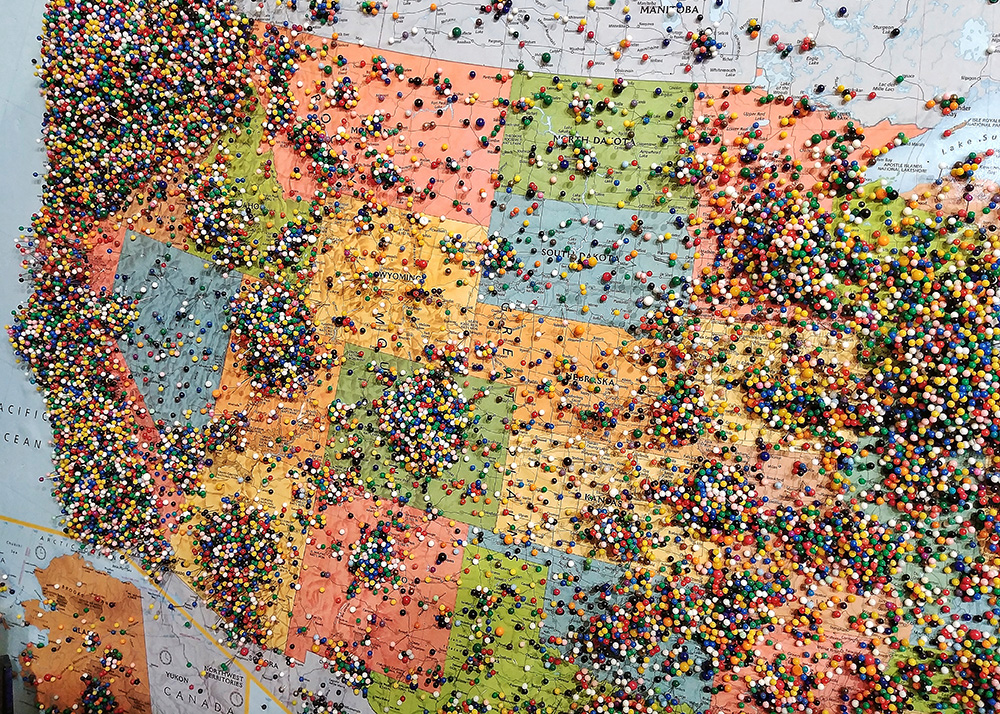
The Local Knowledge Initiative seeks to elevate, honor, and support exceptional “local knowers” and demonstrate that these knowers can be found in all kinds of communities and institutions across the country. Local knowledge refers to a deep understanding of the history, culture, and social ecosystem of a particular place and the use of that knowledge to make a place thrive. Local knowers might be teachers, civic or cultural catalysts, journalists, librarians, self-taught historians, naturalists, or business owners. What distinguishes them is not simply that they know a place well, but that they have demonstrated an extraordinary ability to use what they know to strengthen their communities.
Since its founding, the Academy has been committed to honoring and advancing knowledge in service of the public good. Traditionally, the Academy has recognized achievement in fields where expertise is most conventionally defined: academia, the arts, media, business, and public policy. In 2026, the Academy started the Local Knowledge Initiative, seeking to expand that definition of useful knowledge by bringing greater visibility and recognition to people and organizations that excel in cultivating valuable knowledge to use in work that is based in a particular place rather than being national in scale. In doing so, the Local Knowledge Initiative aims to broaden our collective understanding of where knowledge comes from and what it can accomplish.
Local Knowledge Initiative Chairs
Eric P. Liu
Citizen University
Laurie L. Patton
American Academy of Arts and Sciences
ADVISORY COMMITTEE Members
Philip Bredesen
Nashville, TN
Katherine J. Cramer
University of Wisconsin–Madison
Deborah Fallows
Linguist and Author
James Fallows
Writer and Journalist
Marjorie Hass
Council of Independent Colleges
Liz Joyner
The Village Square
Sara Lawrence-Lightfoot
Harvard Graduate School of Education
Matthew Leighninger
National Civic League
Donna Shalala
University of Miami
Anne-Marie Slaughter
London School of Economics
Anne Sweeney
Netflix; LEGO Group
Loa Traxler
University of New Mexico
Judy Woodruff
PBS NewsHour
PROJECT STAFF
Kelsey Ensign
Louis W. Cabot Humanities Policy Fellow and Program Officer for American Institutions, Society, and the Public Good
Jessica Lieberman
Joan and Irwin Jacobs Senior Program Officer for American Institutions, Society, and the Public Good
Victor Lopez
Program Associate for American Institutions, Society, and the Public Good
Betsy Super
Program Director for American Institutions and Global Security
FUNDERS
Henry Luce Foundation
John D. and Catherine T. MacArthur Foundation
Project Meetings
Advisory Group Meeting
June 10, 2026
Virtual
The Academy gathered the Advisory Group to discuss the beginnings of the initiative, debrief on the listening sessions, and outline next steps.
Advisory Group Meeting
September 9, 2026
Virtual
The Advisory Group discussed the mini-mission and overall goals of the initiative.
Listening Sessions
March 10, 2026
Madison, WI
The Academy hosted its first listening session for the Local Knowledge Initiative in Madison. Participants included local Academy members, many from the University of Wisconsin–Madison, as well as members of the community’s Town & Gown group, which includes many community leaders. They shared feedback on the definition of local knowledge and offered suggestions about the opportunities and challenges of developing a fellowship program for local knowers.
June 3–4, 2026
Lexington, KY
The Academy held two listening sessions in Lexington, both cohosted by CivicLex and the Blue Grass Community Foundation, to gather feedback on the key definitions, concepts, and goals of the Local Knowledge Initiative. The first session brought together leaders from organizations across the country working on democracy and civic learning. The second session convened a diverse group of local civic leaders.
A Conversation About Youth, Local Knowledge, and Civic Life
August 5, 2026
Town Hall Theater, Middlebury, VT
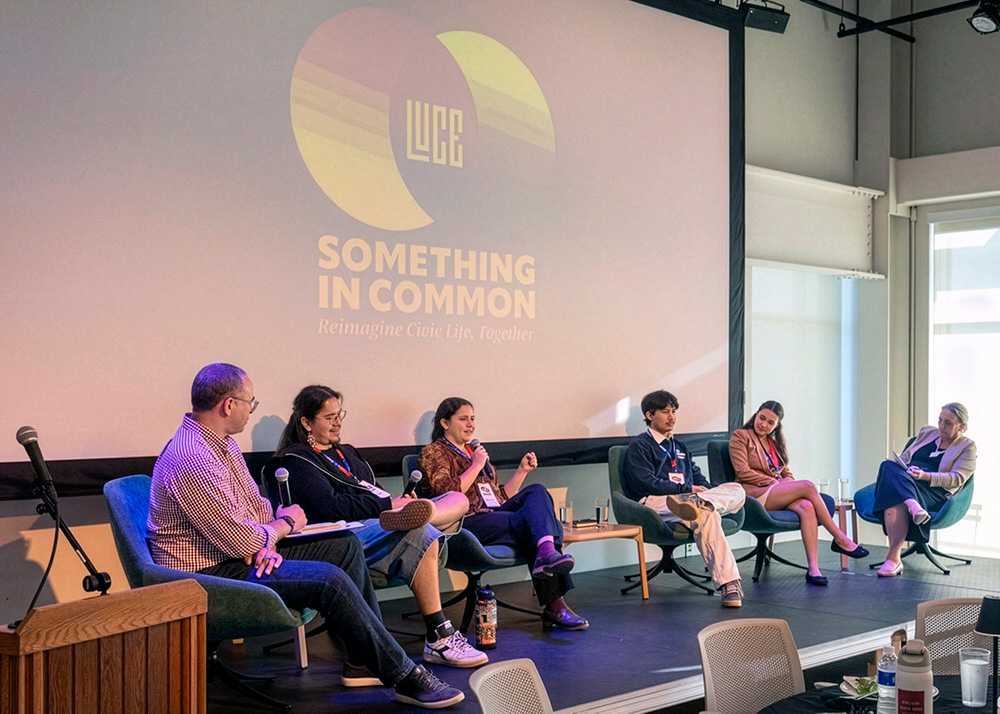
This day-long event, cohosted by the Luce Foundation, featured two separate listening sessions to identify ways to support holders of local knowledge. The first listening session focused on the views of young people, and the second featured an all-ages group of area residents. The event also included a panel discussion with four civically engaged young people, which was part of Luce Foundation’s ongoing national listening series, Something in Common.
Featured Speakers
Wica-Ta-Wi Hoksina Brown
Dartmouth College Native American Program
Numi Moreno Calderon
Open Door Clinic and Middlebury College Innovation Hub
Harmony Devoe
Vermont Youth Council
Jonathan Holloway
Henry Luce Foundation
Met Ly
Middlebury College
Laurie L. Patton
American Academy of Arts and Sciences
Project in Development
Commission on American Democracy and the Economy
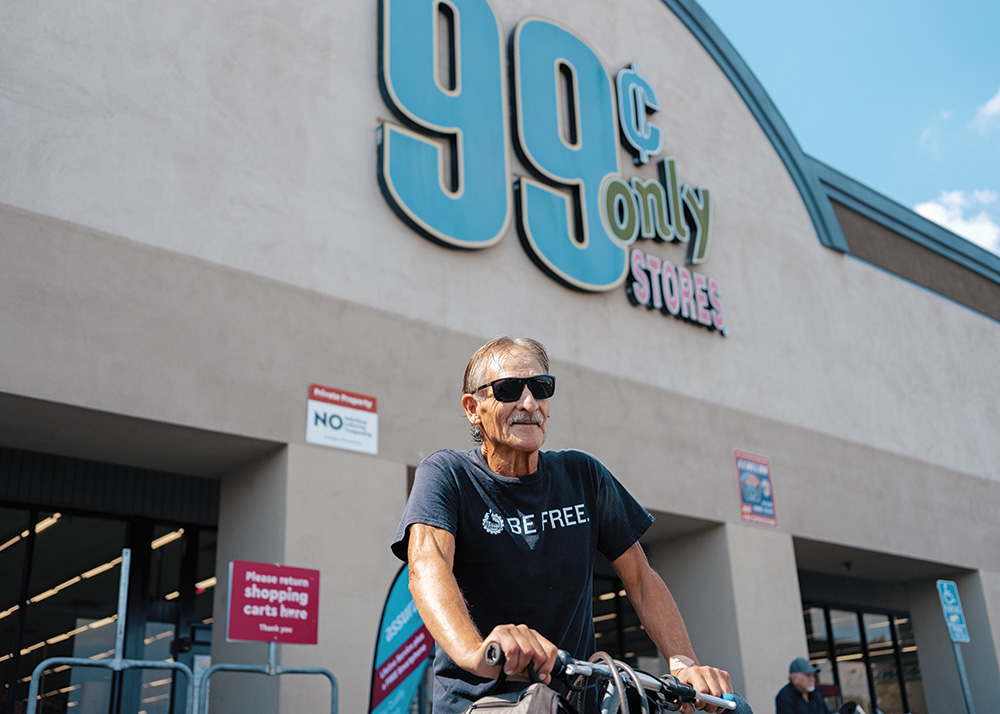
In 2026, the Academy began scoping a new project on America Democracy and the Economy to build on two prior Academy projects: Our Common Purpose (OCP) and the Commission on Reimagining Our Economy (CORE).
This prospective multiyear initiative seeks to understand why Americans feel they lack the agency to shape the political and economic conditions that govern their lives. Across ideologies, ages, and communities, there is a pervasive sense that we have lost our collective ability to change what is not working—that we lack the agency to shape a better future.
A future commission or project would explore this challenge by examining how institutions, economic conditions, technology, work, and the distribution of power shape Americans’ ability to exercise meaningful agency in their lives and communities. Commission members could translate this work into timely, actionable research and recommendations for civil society leaders, policymakers, philanthropists, and other decision-makers working to strengthen American democracy and economic well-being.
PROJECT STAFF
Rachel Evans
Program Officer for American Institutions, Society, and the Public Good
Jessica Lieberman
Joan and Irwin Jacobs Senior Program Officer for American Institutions, Society, and the Public Good
Victor Lopez
Program Associate for American Institutions, Society, and the Public Good
Betsy Super
Program Director for American Institutions and Global Security
FUNDERS
Rockefeller Brothers Fund
David M. Rubenstein
Patti B. Saris
COMMISSION MEETINGS
Meeting on Democracy and Political Economy
February 26, 2026
American Enterprise Institute, Washington, D.C.
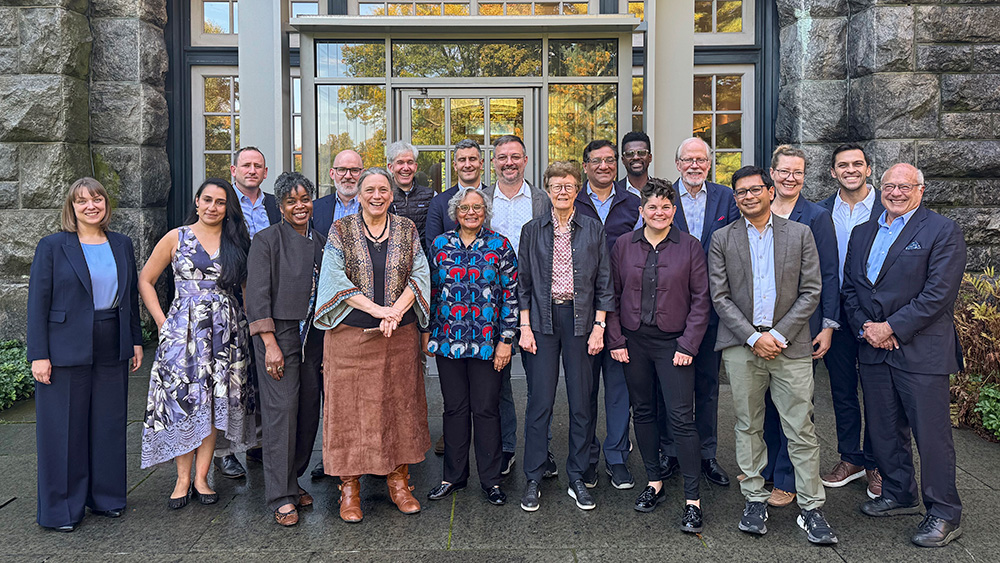
The Academy convened a small group of leaders to explore the next phase of the Academy’s work on American democracy and political economy. Participants discussed how to build on two past projects: the Commission on the Practice of Democratic Citizenship and the Commission on Reimagining Our Economy. Yuval Levin (American Enterprise Institute), who served on the Commission on the Practice of Democratic Citizenship, provided welcome remarks.
Meeting on Democracy and Political Economy
October 13–14, 2026
The Pocantico Center of the Rockefeller Brothers Fund, Tarrytown, NY
This convening of thought leaders explored how political and economic agency shapes well-being and identified practical pathways for strengthening both. Participants examined the growing sense among Americans that they lack meaningful influence over the political and economic decisions that shape their lives, and they helped inform the Academy’s new work to strengthen Americans’ democratic and economic agency.
Other Meetings
Reviving Pluralism Exploratory Meeting
November 5–6, 2026
House of the Academy, Cambridge, MA
The Academy brought together an interdisciplinary group of scholars, policy experts, and practitioners to discuss how the intellectual tradition of pluralism has inspired Americans in the past and how it might do so again in the future. Amid deep political, cultural, and geographic divisions, questions about how people of diverse identities and ideologies relate to one another and how they can live and work together across fundamental differences have taken on a new urgency. The exploratory meeting explored how pluralism might help us answer these questions.
EXPLORATORY MEETING CHAIRS
Kwame Anthony Appiah
New York University
Eboo Patel
Interfaith America
Laurie L. Patton
American Academy of Arts and Sciences
EXPLORATORY MEETING STAFF
Kelsey Ensign
Louis W. Cabot Humanities Policy Fellow and Program Officer for American Institutions, Society, and the Public Good
Sara Mohr
Pforzheimer Foundation Fellow and Program Officer for Humanities, Arts, and Culture
Betsy Super
Program Director for American Institutions and Global Security
Funder
Interfaith America
VIRTUAL ROUNDTABLES
Pluralism at 250: American Pluralism from 1776–2026
June 23, 2026
Participants
Danielle Allen
Harvard University
David Brooks
The Atlantic
Diana Eck
Harvard University
Bryan Garsten
Yale University
Robert George
Princeton University
Gary Gerstle
University of Cambridge
David Hollinger
University of California, Berkeley
Sarah Igo
Vanderbilt University
James Kloppenberg
Harvard University
Martha Minow
Harvard University
Melissa Murray
New York University
Mae Ngai
Columbia University
Daniel Rodgers
Princeton University
Jonathan Sarna
Brandeis University
Corey D. B. Walker
Wake Forest University
Pluralism and Contemporary Diversity Paradigms
August 27, 2026
Participants
Sigal Ben-Porath
University of Pennsylvania
Patricia Hill Collins
University of Maryland
Frank Dobbin
Harvard University
Peter Levine
Tufts University
Martha Minow
Harvard University
Melissa Murray
New York University
Pamela Newkirk
New York University
Amelia Parnell
NASPA
Jennifer Richeson
Yale University
Linda Tropp
University of Massachusetts, Amherst
Immigrant Youth and Mental Health Exploratory Meeting
May 18–20, 2026
House of the Academy, Cambridge, MA
In 2026, the youth mental health crisis in the United States has reached unprecedented levels. Following the COVID-19 pandemic, young people aged 15–25 are experiencing increasing rates of anxiety, depression, and suicidal ideation. The outcomes are even more pronounced among youth of color and youth from other marginalized groups. A 2025 survey published by the AKOMMA Project found that 60 percent of the sample of youth of color aged 13–25 reported experiencing at least moderate levels of depression or anxiety.
A group that is particularly vulnerable in the current climate is immigrant-origin youth. They make up one in four children in the United States and face a range of pressures, including academic demands, financial stress, social isolation, and anti-immigrant sentiment. At the same time, they demonstrate resilience by supporting their families and participating in efforts that provide aid and strengthen their communities.
This exploratory meeting examined the state of immigrant youth mental health and identified promising directions for action. The convening of researchers, practitioners, philanthropists, policy experts, and community organizers and leaders emphasized the urgency of the current moment and the need for coordinated cross-sector responses grounded in research, practice, and community knowledge.
Across large- and small-group discussions, several themes recurred: Belonging is essential; systems must be designed to support all youth; agency is critical to well-being; problem-informed research is key; and cross-sector networks of care are crucial. Participants explored how these principles could guide future work on immigrant youth mental health, from strengthening school- and community-based supports to elevating youth leadership, improving research-practice partnerships, and coordinating efforts across education, health care, government, philanthropy, and advocacy.
EXPLORATORY MEETING PARTICIPANTS
Na’ilah Suad Nasir, Cochair
Spencer Foundation
Hirokazu Yoshikawa, Cochair
New York University
Margarita Alegria
Harvard Medical School
Stephanie Bell-Rose
The Steve Fund
Alex Briscoe
Public Works Alliance
Germán Cadenas
Rutgers University
Ruben Canedo
University of California, Berkeley; UC Essential Needs Consortium
Jodi Berger Cardoso
University of Houston
Wendy Cervantes
Center for Law and Social Policy
Juliet Choi
Asian & Pacific Islander American Health Forum
Cindy Eigler
Coalition for Immigrant Mental Health
Heidi Ellis
Boston Children’s Hospital; Harvard Medical School
Dorothy Espelage
University of North Carolina at Chapel Hill
Andre Fenton
New York University
Lisa Fortuna
University of California, Riverside
Gina Garcia
University of California, Berkeley
Julia Gelatt
Migration Policy Institute
Cindy Huang
University of Oregon
H. Kenny Nienhusser
University of Connecticut
Laurie L. Patton
American Academy of Arts and Sciences
Krista Perreira
University of North Carolina at Chapel Hill
Kathleen Roche
George Washington University
Felecia Russell
The Presidents’ Alliance on Higher Education and Immigration
Carola Suarez-Orozco
Boston College
Vivian Tseng
Foundation for Child Development
Carmen Valdez
The University of Texas at San Antonio
Alejandra Vázquez Baur
National Newcomer Network
Jeffrey Winer
Boston Children’s Hospital; Harvard Medical School
EXPLORATORY MEETING STAFF
Victor Lopez
Program Associate for American Institutions, Society, and the Public Good
Betsy Super
Program Director for American Institutions and Global Security
Pamela Taylor
Program Director for Education
Catherine Van Ness
Program Officer for Education
Funder
Spencer Foundation