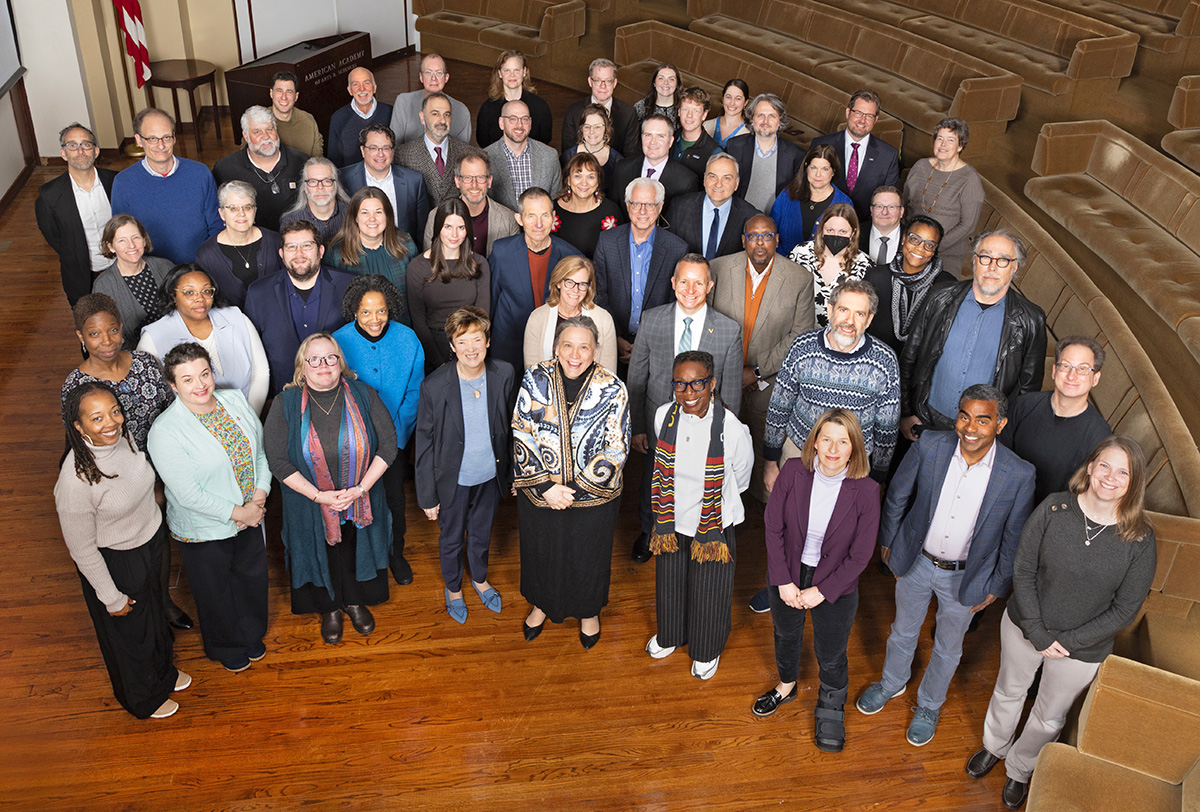
Projects in the Education program area inform policy and practice that support high-quality, educational opportunities for all Americans and center education as a pillar of democracy. Building on the Academy’s long-standing commitment to the vital role that education and knowledge development play in our nation and world, the program area—through commissions, projects, convenings, and publications—engages scholars and practitioners from a range of fields and disciplines to examine the conditions that foster the creation, transfer, and preservation of knowledge throughout our society. These initiatives seek to advance equitable educational outcomes, embrace innovations in educational experiences and learning, and connect developments in technology and the future of work to the classroom and training pathways.
ADVISORS
Joanne Berger-Sweeney
formerly, Trinity College
Nancy E. Cantor
Hunter College
Greg Duncan
University of California, Irvine
Joan Gabel
University of Pittsburgh
Kris Gutierrez
University of California, Berkeley
Nicholas B. Lemann
Columbia University
Susanna Loeb
Stanford University
Deborah Loewenberg Ball
University of Michigan
Michael Lomax
United Negro College Fund
Bridget Terry Long
Harvard University
John C. Mitchell
Stanford University
Na’ilah Suad Nasir
Spencer Foundation
Marcelo M. Suárez-Orozco
University of Massachusetts Boston
David Weinstein
Write the World
Project
The Higher Education Forum
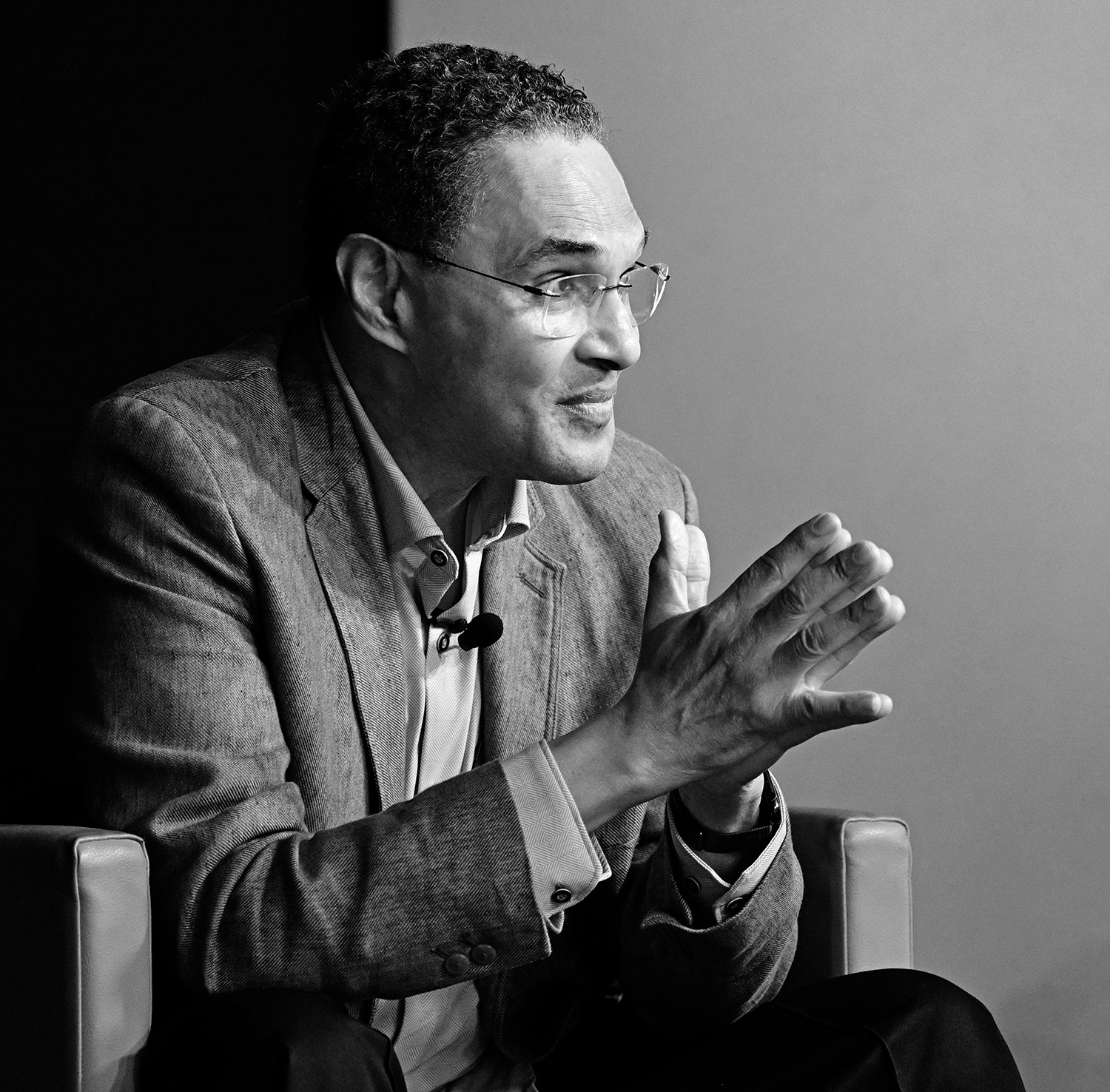
The Higher Education Forum at the Academy draws on the strengths of Academy Affiliates, members, and other experts to provide interdisciplinary perspectives on the most pressing issues affecting higher education.
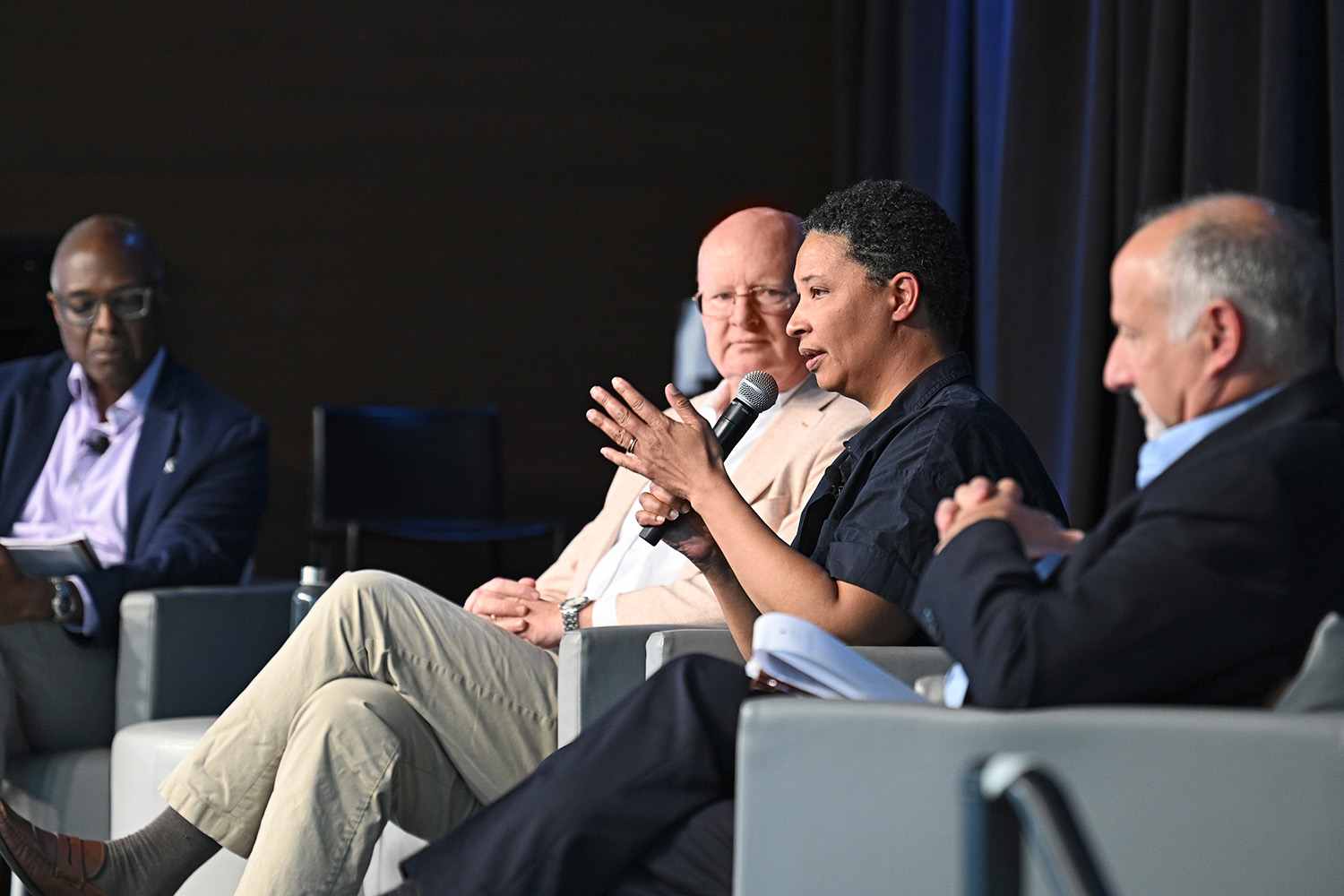
The Higher Education Forum’s annual convening was held in Aspen, CO, from June 15–18, 2026. More than one hundred higher education experts and leaders, including university presidents, provosts, and academic deans from many of the Academy’s Affiliate institutions, gathered under the theme of “Is Higher Education Built to Last?” Session topics included “Will We Succeed in Making College More Affordable?” and “Is the United States Losing Its Edge as a Global Education Leader?”
FUNDERS
Lumina Foundation
Alfred P. Sloan Foundation
TIAA
Bank of America Private Bank
Barclays
Edconic
Kaplan, Inc.
Spencer Foundation
David C. Weinstein
Project
Commission on Opportunities After High School

The Commission on Opportunities After High School was launched in May 2024 to recommend strategies that would help every student to thrive, find rewarding jobs in a rapidly changing global economy, and participate fully in society. The Commission focused on expanding opportunities for underserved students so that multiple routes to success are broadly accessible. The Commission developed recommendations that address the obstacles that may hinder student progress and identified promising pathways from high school into higher education or directly into the workforce.
COMMISSION CHAIRS
Nancy E. Cantor
Hunter College
Harrison Keller
University of North Texas
Bridget Long
Harvard Graduate School of Education
COMMISSION MEMBERS
Gilda A. Barabino
Olin College of Engineering
Kristen Bennett
Service Year Alliance
Emily Callahan
Brown County Schools, Indiana
Jason Callahan
Daleville Community Schools, Indiana
Mary Schmidt Campbell
formerly, Spelman College
Shirley M. Collado
College Track
Michael Collins
Jobs for the Future
Michelle Asha Cooper
Lumina Foundation
Aimée Eubanks Davis
Braven
Arne Duncan
Emerson Collective
Elena Fuentes-Afflick
Association of American Medical Colleges
Lisa Gevelber
Google LLC
Roberto G. Gonzales
University of Pennsylvania
Antonia Hernández
formerly, California Community Foundation
Sheila Johnson
Salamander Hospitality
Perri Klass
New York University
Félix V. Matos Rodríguez
City University of New York
Janet A. Napolitano
University of California
Eloy Ortiz Oakley
College Futures Foundation
Santa J. Ono
Ellison Institute of Technology
Bobby Pace
Community College of Aurora
Tracy P. Palandjian
Social Finance
Madeline Pumariega
Miami Dade College
Anthony Woods
Stealth Startup
David S. Yeager
University of Texas at Austin
Laura Zabel
Creative Change Coalition
PROJECT STAFF
Molly Kent
Program Coordinator for Education
Peter Robinson
Chief Program Officer
Pamela Taylor
Program Director for Education
Catherine Van Ness
Program Officer for Education
FUNDERS
Andrew Carnegie Foundation, formerly Carnegie Corporation of New York
Spencer Foundation
William T. Grant Foundation
Robert Pozen and Elizabeth Pozen
Anonymous Sources
Commission Publication
Thriving After High School: Community, School, Service, and Work (American Academy of Arts and Sciences, 2026)
COMMISSION MEETINGS
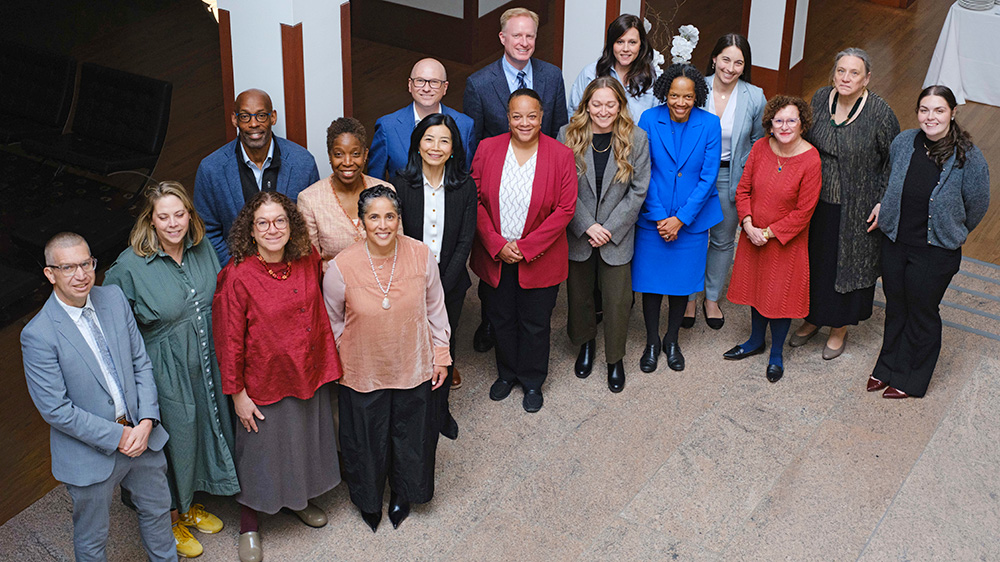
Final Meeting of the Commission
April 6–7, 2026
House of the Academy, Cambridge, MA
At the fifth Commission meeting, Commissioners discussed the consensus of recommendations and the strategies outlined in the Commission’s report as well as the online resources that feature learner pathways and promising practices. They also discussed plans for disseminating the report following its launch, including how to raise awareness about the report and reach a broad audience, and explored questions such as “What Is Our Vision for Thriving After High School?”
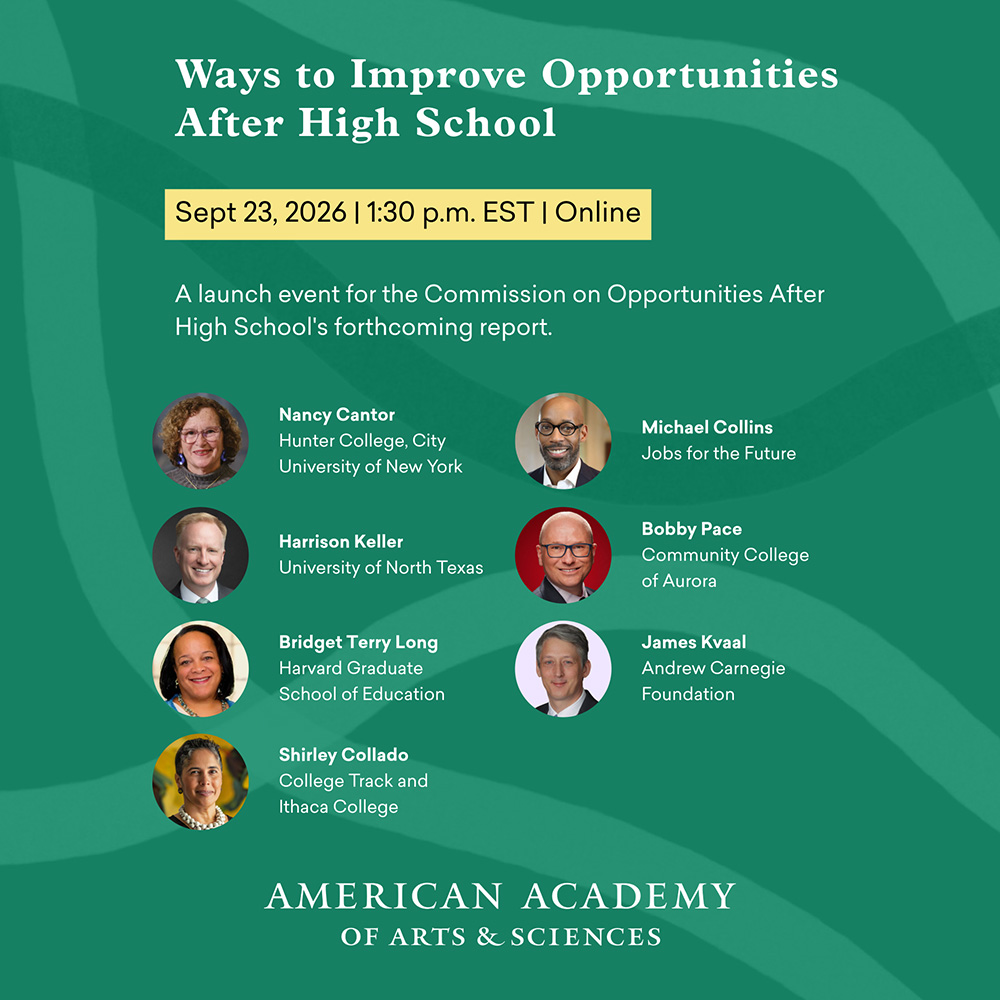
Ways to Improve Opportunities After High School
September 23, 2026
Virtual
The Commission’s virtual launch event brought together a multidisciplinary audience of K–12 superintendents, leaders of service organizations, community college administrators, economic researchers, college presidents, philanthropists, and businesspeople. The launch event explored the newly published report and its supplementary products, including a microsite that features over one hundred promising practices across the country. The publication, pathways, and practices are available online at www.amacad.org/opportunities.
Speakers
Nancy E. Cantor
Hunter College
Shirley M. Collado
College Track
Michael Collins
Jobs for the Future
Harrison Keller
University of North Texas
James Kvaal
Andrew Carnegie Foundation
Bridget Terry Long
Harvard Graduate School of Education
Bobby Pace
Community College of Aurora
Laurie L. Patton
American Academy of Arts and Sciences
Other Meetings
Faculty Governance: Does Restoring Trust in Higher Education Start with Us?
March 24, 2026
House of the Academy, Cambridge, MA
The Academy, in collaboration with the American Association of Colleges and Universities’ Advancing Public Trust in Higher Education Initiative, convened nearly fifty faculty governance leaders from across the country to explore how faculty leaders can build public trust on their campuses. Takeaways from the meeting included the importance of restoring trust within institutions themselves, namely between faculty and administrators, before restoring trust with the broader public.