By Molly Kent, Program Coordinator for Education
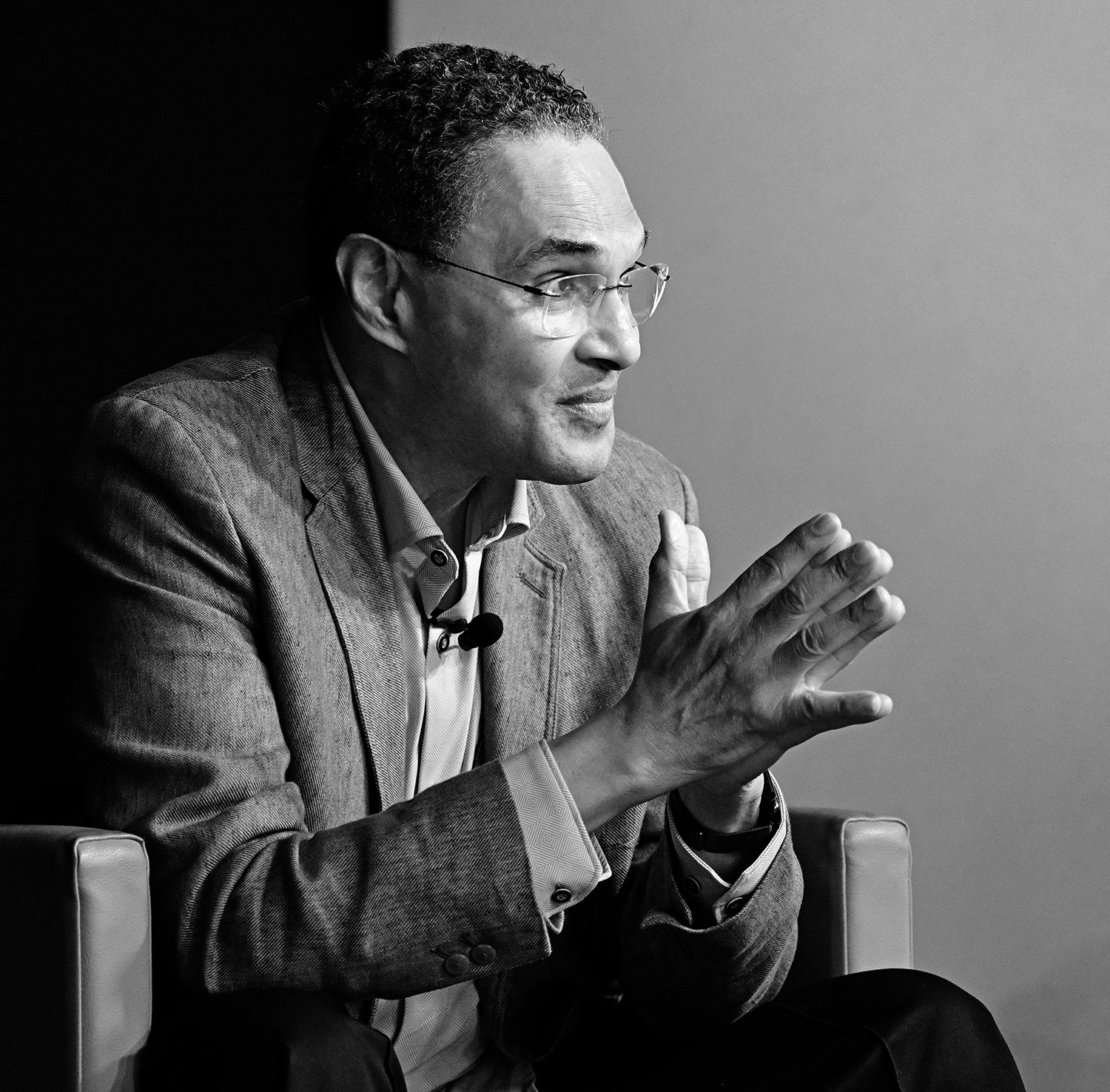
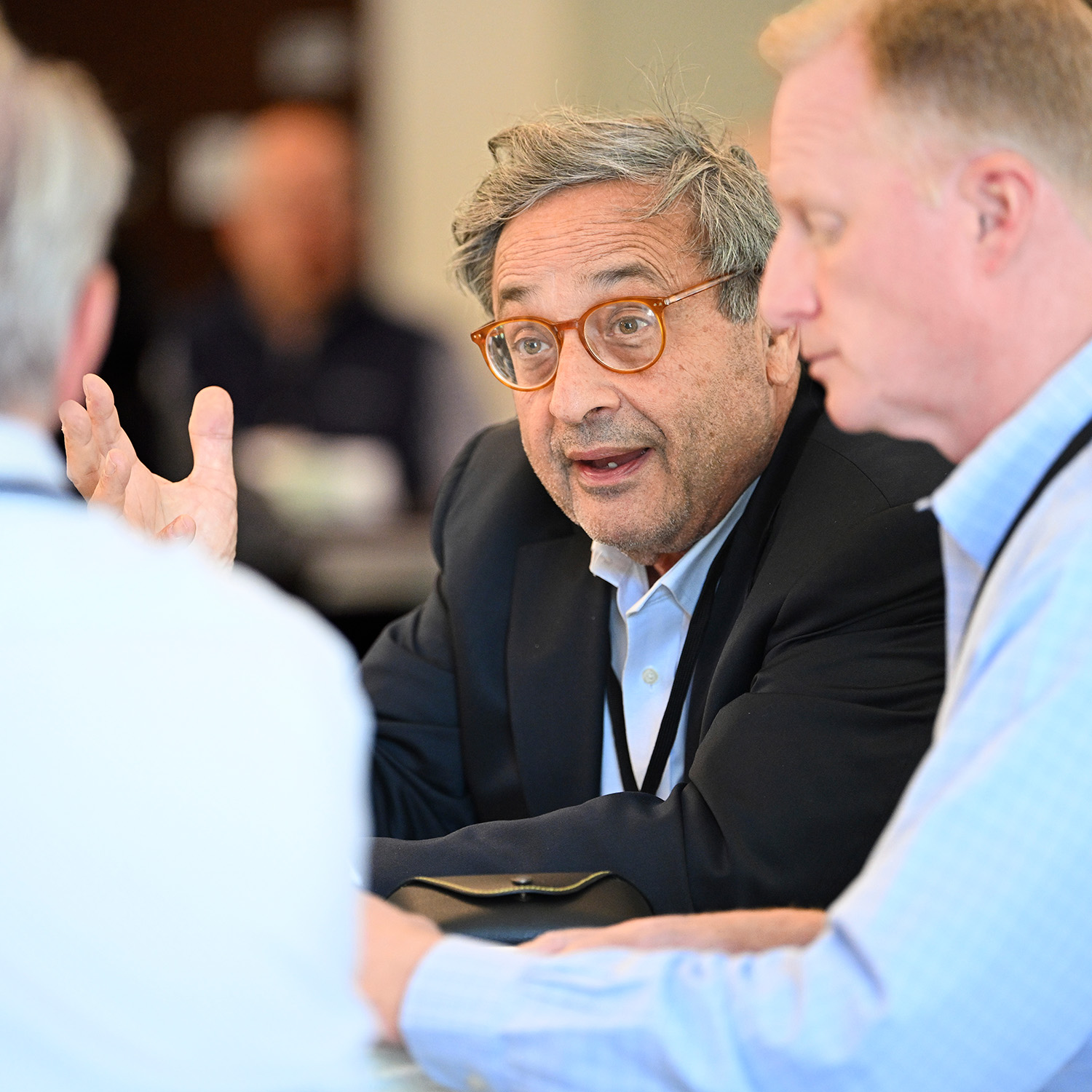
The Academy’s fifth annual convening of the Higher Education Forum in Aspen, CO, from June 15–18, 2026, brought together higher education leaders, researchers, journalists, and philanthropists to tackle this year’s central question: Is Higher Education Built to Last? The serene setting of the Aspen mountains coupled with the intimacy of fewer than one hundred attendees meeting under Chatham House Rule allowed for robust conversation, networking, and intellectual repose.
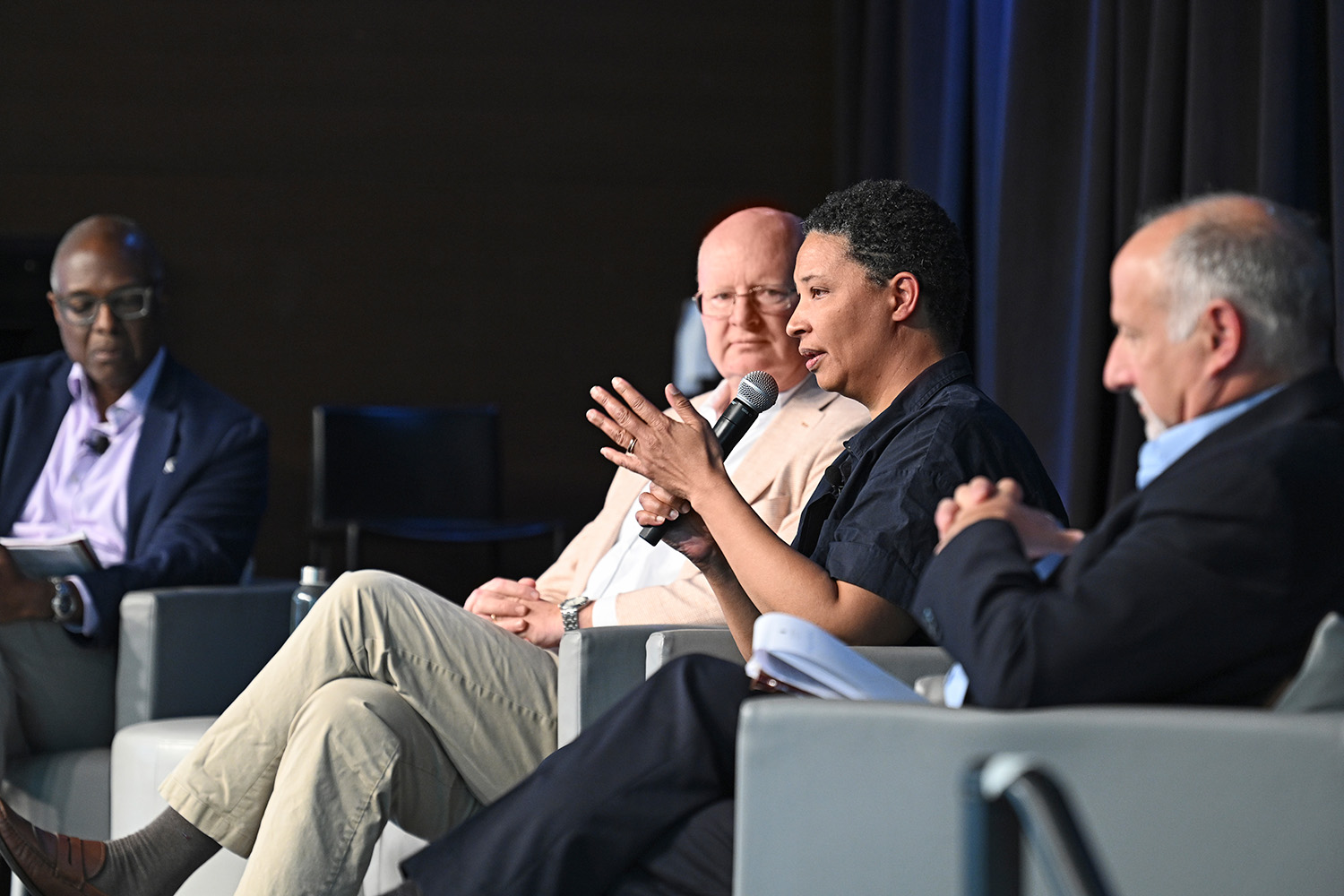
The attendees included Academy members as well as presidents, provosts, deans, and professors from institutions in the Academy’s Affiliate program. Panel topics ranged from “Will We Succeed in Making College More Affordable?” to “Is the United States Losing Its Edge as a Global Education Leader?”
Panelists and attendees engaged deeply with each topic through the lens of resistance, resilience, and reform, exploring how institutions can continue working together during this time of uncertainty. As one speaker noted, we are stronger when we come together as a sector and uplift one another, from selective Ivy League institutions to community colleges.
A dinner conversation about the work of the Academy’s Commission on Opportunities After High School, led by Commission Cochair Harrison Keller and Commissioner Bobby Pace, explored “What Do Learners Need to Thrive in School, Work, and Community?” The conversation highlighted how educators and employers can collaborate more closely and how the higher education sector can play a role in shaping a stronger future for students.
The Forum was also forward-thinking with one panel considering the question, “Is Future-Proofing Our Institutions a Sisyphean Exercise?” The discussion focused on two central questions, posed by the moderator: “How do we uphold both mission and margin at the same time?” and “How do we build a sustainable future?” While there were no easy answers, panelists offered a range of suggestions, from developing an enterprise mindset to shifting board dynamics to prioritizing student success.
We extend our gratitude to all the speakers, moderators, and attendees for their candor, insights, and engagement. University presidents and journalists alike remarked on the importance of the questions addressed during the panels and the thoughtful dialogue and ideas they inspired. As one attendee noted, “the meeting is one of the best on higher education, year after year.”
We are grateful to our sponsors—Lumina Foundation, Alfred P. Sloan Foundation, TIAA, Spencer Foundation, Barclays, Kaplan, Bank of America Private Bank, and EdConic—for their continued investment, guidance, commitment, and engagement in the Forum. We are also grateful to David C. Weinstein, whose generosity supports the Academy’s work in Education.

For more information about The Higher Education Forum, visit the Academy’s website.