Guiding Principles for Ensuring Every Learner Thrives
“It’s a privilege, if you have money saved up, to follow your dreams. If not, you’re like, all right, I’m going to go to a career path where I’m stable, I need a house, I need food, I need stability.”
—Learner at a community college in California
Why This Commission?
The American Academy of Arts and Sciences launched the Commission on Opportunities After High School in May 2024 in recognition of the growing challenges learners face in navigating their postsecondary options, obtaining the skills they need, and securing fulfilling livelihoods. The multidisciplinary and cross-partisan perspectives of the members of the Commission have fostered a process that has drawn upon expertise from K–12 and higher education, workforce development and business, philanthropy and nonprofits, medicine, service, and the arts.
This Commission is dedicated to shaping a future where every learner is empowered to thrive in adulthood in the context of a dynamic global economy. We aim to empower learners as active, engaged members of society, focusing on a broad range of skills, including those relevant to the arts and humanities. By identifying obstacles and opening doors for underserved individuals, we aim to ensure multiple routes and ongoing support for lifelong learning opportunities and success for all. This work will allow us to address the challenges learners face and enhance their agency in choosing a path by spotlighting effective avenues from high school to higher education or directly into the workforce.
The Commission encourages government officials at all levels, K–12 and postsecondary leaders, employers and industry groups, nonprofit organizations and cultural institutions, communities, and philanthropists to define what thriving looks like for their learners and constituencies. This definition should serve as the North Star to which success metrics and target outcomes are aligned, including high school graduation requirements and measures of readiness for career, college, and service. Opportunities for thriving should include individual, personal advancement alongside economic and social mobility and civic engagement. Our recommendations promote policies and practices that facilitate collaboration across the education and workforce ecosystem to support these pathways, enabling the full participation of our diverse talent pool.
“Through K–12, I feel like we should help students more in finding their passion, what they’re going to want to do for the rest of their lives.”
—High school student in Texas
The Commission’s Guiding Principles
The Commission believes that to enhance American prosperity and ensure American competitiveness, every part of the civic, education, and workforce ecosystem must transform to empower learners to choose the best postsecondary path for themselves; receive guidance throughout college, service, and work; and continue learning, earning industry-valued credentials and advancing civically, personally, and professionally. The education and workforce systems must adapt to empower learners with agency in their postsecondary choices and form a collaborative ecosystem of multiple paths to thriving in adulthood.
The Commission recognizes the historical context and past educational initiatives that have prompted the development of our current system. However, the continuing evolution of society and labor markets necessitates the creation of a new educational narrative, a new set of goals, and new strategies to prepare learners for thriving after high school. The Commission’s discussions were grounded in evidence of what worked well and led to an improvement of learner outcomes in these historical movements. Further investment in proven strategies is worthwhile alongside reforms to systems that have, for too long, excluded large segments of our talented population from paths to prosperity.
Throughout its discussions, the Commission drew upon a deep well of research studies, effective policies, and innovative practices from across the country at varying levels of K–12 and higher education, workforce training and development, and civic engagement. Accompanying this report is an online repository (available at www.amacad.org/opportunities) of promising practices that illustrate the Commission’s recommendations in action across the United States.
The Commission also conducted thirty listening sessions across the country in California, Colorado, Indiana, Maryland, Massachusetts, North Dakota, Pennsylvania, Texas, and Washington, D.C. Participants included high school and college learners, K–12 administrators and teachers, higher education administrators and faculty, employers, philanthropic leaders, and community partners. Listening session participants were diverse in age, race, ethnicity, gender, geography, and family income level. High school students and administrators were recruited from public schools, career academies, adult learning centers, and magnet schools. College learners and administrators came from two-year public community colleges, four-year private and public state universities, technical colleges, a public historically Black university, and a tribal college.
After accumulating evidence, listening to learners, educators, and employers, and rigorously discussing important issues, the Commission developed recommendations for empowering learners to thrive after high school. To ground these recommendations, the Commission accepted three underlying assumptions:
- Systemic Barriers to Opportunity Remain—Throughout K–12 and postsecondary education, the lack of equitable distribution of human capital and financial and material resources has resulted in greater challenges for learners from underresourced backgrounds as they navigate their postsecondary paths. Many learners and families have historically faced systemic barriers to opportunity in the United States, including learners of color, Indigenous populations, immigrant-origin learners, learners with disabilities, and those from rural and low-income communities.31 These systemic barriers can be environmental, financial, or based in information and readiness. Giving individuals opportunities is not enough. Learners need to be empowered and have agency so that they can make informed, deliberate decisions about their futures. The Commission asserts that, to have real agency in their choices, the structural barriers learners face must be addressed across education and workforce systems.
“I don’t have all that money to pay, [to] go directly to the college or university. So, I’m going to do two years at the community college, and then I’m going to transfer to two years at the university . . . and I’m going to work while I’m going to college.”
—High school student in Pennsylvania
- Basic Needs for Learning Must Be Met—Learning is affected by an individual’s societal and community context and mental and physical health. To be ready to learn and work, learners should be supported in an environment that allows them to thrive. If individuals arrive at school hungry, tired, or afraid, they will be unable to focus and learn. Access to healthy food, housing security, and physical and psychological safety are critical pieces of the foundation of a strong education. As the places where learners spend a significant amount of time, educational institutions can play a significant role in connecting learners and their families with the social services and material goods they may need, such as food, clothing, and other supplies. The Commission believes that the income of a learner’s family should not dictate their ability to succeed in school.
- Early Exposure to Career, College, and Service Options Is Key—During middle school, high school, and postsecondary education or training, learners can be supported in uncovering their strengths and aptitudes by participating in activities that allow them to explore their career interests. Learners should be informed of various college options through activities such as college fairs, campus visits, and dual/concurrent enrollment. Students should also learn about service-year programs and military service opportunities that complement their postsecondary plans by developing their durable skills and allowing them to explore a career interest. Postsecondary planning should be developmentally appropriate to learners’ self-awareness throughout their K–16 years and include guidance and information about multiple options, including career, college, and service opportunities. The Commission wants all learners to be regularly supported throughout their educational journey as they develop, revise, and pursue their postsecondary goals.
Figure 2: Systemic Barriers to Opportunity
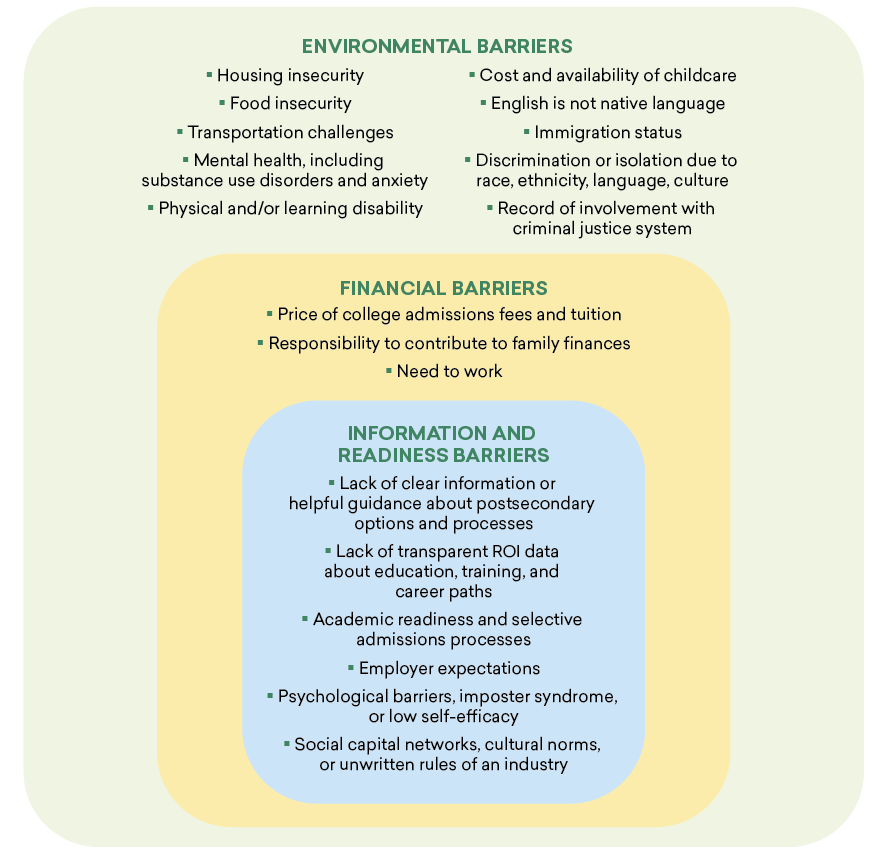
Figure 3: The U.S. Education System Has Evolved Over Time, but a Different Approach Is Needed to Support Learner Thriving
1980–1990s
Emphasizing Graduation and Admissions Requirements
The 1983 A Nation At Risk report recommended strengthening high school graduation requirements and enhancing college admissions requirements and emphasized taking a certain number of courses in specific subjects to ensure student success.a This approach is no longer sufficient for what students need.
- The Commission recommends focusing on specific skills, competencies, and mindsets and adapting high school graduation requirements to reflect true readiness for career, college, and service.
1990–2000s
The Growing Use and Importance of Academic Assessments
Goals 2000 and Improving America’s Schools Acts led to voluntary adoption of standards and assessments in reading and math.b No Child Left Behind required states to set academic standards and assessments.c The Common Core State Standards Initiative led to widespread adoption of national standards in reading and math.d The focus on academic assessments has limited discussions of educational success to a narrow set of skills that do not fully capture the outcomes we want for learners.
- The Commission seeks to incorporate a broader view of what skills and experiences are desirable.
2000–2010s
The College for All Movement
A growing “College for All” movement advocated that all students prepare for and enroll in college.e The national movement downplayed the reality that there are many possible educational and workforce training pathways available after high school, and we should not apply a one-size-fits-all approach to learners.
- The Commission seeks to make postsecondary education more accessible to all learners while underscoring the broad range of opportunities, pathways, and experiences available after high school.
2015
K–12 Accountability Moves to the States
After the passage of the Every Student Succeeds Act, many states also realigned their academic proficiency measures to more closely follow the bar set by the National Assessment of Educational Progress (NAEP, also known as the “Nation’s Report Card”).f This change shone a spotlight on the number of students still falling short on subject-matter knowledge, analytical skills, and other key competencies.
- The Commission seeks to expand this idea of readiness for thriving after high school.
2015–2020s
Skills-Based Hiring
The number of open positions that did not list a minimum degree requirement increased. However, despite degree requirements being dropped for many roles, only 3.5 percent more workers were hired without a bachelor’s degree.g Now, more than thirty states have reduced the number of public-sector roles that require a bachelor’s degree.h This shift in both private- and public-sector hiring has the potential to open more routes to prosperity for Americans.
- The Commission asserts that the expansion of skills-first hiring practices is an opportunity to reshape how educators and employers develop, measure, and validate skills, knowledge, and competencies.
2020s
The COVID-19 Pandemic and Aftermath
In 2022, NAEP scores showed steep declines from 2020 in reading and mathematics among nine-year-olds.i The pandemic also underscored persistent inequities in the education systemj and contributed to increased chronic absenteeism.k Meanwhile, the mental health crisis grew to unprecedented levels as youth faced increased isolationl as well as concerns about the cost of college tuition, student debt, and uneven returns from higher education.m These trends underscore the urgent need to develop a better system.
- The Commission seeks to elevate learner voices as we make recommendations for the future.
The Commission also articulated three guiding principles for the development of the recommendations and accompanying resources:
- A Collaborative Ecosystem—No one person or system can succeed alone. Learners benefit when education and workforce systems partner to reduce barriers and make opportunities more accessible and relevant to the local labor market. Educators, employers, policymakers, and philanthropists can catalyze powerful innovation and opportunity when they collaborate effectively. Federal and state systems can set the tone for a collaborative ecosystem that allows local partnerships to flourish.
- Local Context Matters—Federal and state policy should provide the enabling conditions for local innovation and programs that meet the needs of the local population and economy. Education will provide opportunities to learners for whatever comparative advantage exists locally and prepare them for success in whatever market they choose to work. The Commission endorses models that allow localities to develop a definition of thriving and to build accessible education and training options that accord their community members the opportunity to achieve that status for themselves.
- A System of Second Chances—A successful system will have multiple pathways to gain relevant experience, develop necessary skills, and earn valuable credentials both inside and outside the classroom. In a rapidly shifting economy and labor market, paths to success should not be defined too narrowly. With accessible on-ramps to a variety of education and training modalities, learners will be able to find and succeed in the option that is right for them. It will also allow for second, third, and fourth chances—learners will not be shut out of all opportunities if they stumble over systemic barriers. The Commission envisions an educational safety net that gives everyone a strong and meaningful foundation of skills, habits, and mindsets to meet their basic needs and reach their full potential.