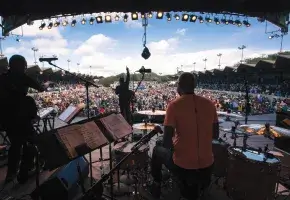
Jazz: it has been called both cool and hot, earthy and avant-garde, intellectual and primitive. It is improvisational music touted for the freedom it permits its players, but in its heyday was largely composed and tightly arranged. It tells a story about race in America: not only because African American musicians were so central in its creation and African American audiences so important in their creative responses to it, but because whites played such a dominant role in its dissemination through records and performance venues and its ownership as intellectual and artistic property. But is jazz a relic of the past, or does it continue to have meaning and influence for today’s artists and audiences? And while it may still be present, does it still matter?