This project investigated how environmental degradation and depletion of natural resources might contribute to social strife and conflict in many parts of the world.
The Academy co-sponsored a multidisciplinary symposium focused on the technical, political, and economic issues surrounding multinational control of the nuclear reactor fuel cycle. The resulting volume evaluates the advantages and disadvantages of placing reprocessing facilities under international or multinational control.
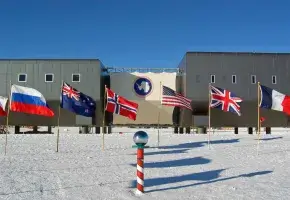
Challenges for International Scientific Partnerships aimed to articulate the benefits of international collaboration and recommend solutions to the most pressing challenges associated with the design and operation of partnerships. This initiative sought to identify policy recommendations and best practices to mitigate challenges for international science collaborations, including physical facilities, distributed networks, and peer-to-peer partnerships.
Less than one-third of American undergraduates major in the natural sciences, mathematics, or engineering. This project examined the goals of science requirements for nonscientists, and how students fulfill those requirements, in an effort to inform curriculum policies at higher education institutions.
Public colleges and universities are key engines of economic growth, innovation, and upward mobility. This project explored strategies to preserve the strength and diversity of institutions of higher education.
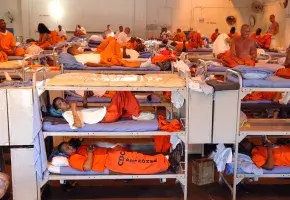
This study examined the scope of mass incarceration, its political significance, and its social impacts, weighing the concerns about crime control, rehabilitation, and more fundamental issues of social justice.
This commission is dedicated to ensuring all students, especially historically underserved students, can thrive and find rewarding jobs in an ever-changing global economy, empowering them to actively engage in society.
The Commission seeks to reimagine the nation’s political economy, rethink the values that drive economic policy making, and advance recommendations that help individuals, communities, and the nation flourish.
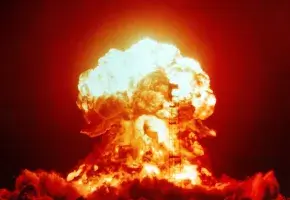
Meeting the Challenges of the New Nuclear Age examines some of the possible escalation pathways that could lead one or more nuclear weapons states to use nuclear weapons and aims to articulate a set of recommendations for de-escalating possible nuclear crises mostly involving the United States and its allies.
This project was designed to advance a set of clear, national recommendations for closing the justice gap that currently exists between the demand for civil legal services and the supply.