In 1994, the Committee on International Security Studies (CISS) hosted the first major international workshop on the dangers posed by the increased proliferation of small arms and light weapons to areas of conflict around the world.
This project analyzed public trust in vaccines from multiple disciplines to identify barriers to vaccine coverage, evaluate the role of the media in the public’s attitudes towards vaccines, and provide recommendations to improve the public’s trust in vaccines.
This project focused on the meaning of “public interest” communication in a 500-channel marketplace, with particular emphasis on television’s failure to fulfill its potential as an educational medium.
To address a deepening crisis in the lives of America’s children, the Academy organized a steering committee to explore how the Academy could increase the nation’s commitment to and investment in children.
Located around the globe but operated by American parent institutions, interdisciplinary American Overseas Advanced Research Centers provide essential support to American humanistic and social science scholars working in foreign countries.
By convening scholars, practitioners, and policy-makers with representatives of the courts, legal aid providers, and foundations, the project seeks to understand and assess the challenge of providing legal services for low-income Americans.
The Academy convened a program of conferences and studies that led to the seminal 1960 special issue of Dædalus on arms control, which President John F. Kennedy subsequently called the “Bible” on the subject.
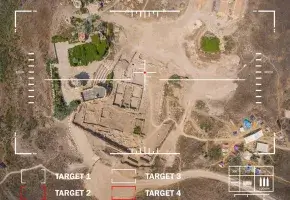
This study examined the global security implications of expanding commercial and military uses of space, and considered international rules and principles needed to maintain a balanced use of space over the long term.
This project convenes interdisciplinary experts to identify the grand challenges in digital mental health, including policy recommendations for ensuring that AI and other emerging technologies shape mental health diagnosis and treatment ethically and equitably.
The Alternative Energy Future project examines how to facilitate the adoption of cleaner and more efficient energy technologies using knowledge from the social and behavioral sciences.
The pervasive challenge of housing affordability requires a comprehensive approach in response. The Academy's project on housing solutions explores and highlights a particular local approach. The focus is on how anchor institutions—universities and colleges, faith-based organizations, and philanthropies—can facilitate affordable housing solutions in their communities.
The ARISE II project developed actionable recommendations to sustain a competitive U.S. research enterprise. This work was designed to foster new relationships across the disciplines and between the private and public sectors.
The Global Nuclear Future Initiative seeks to guide domestic and international policy-makers trying to balance the pursuit of a national nuclear energy program with the potential safety, security, and economic concerns.
The Committee on International Security Studies (CISS) shapes the Academy’s contributions to global security and international affairs by drawing on the expertise of policy-makers, practitioners, and scholars to address crucial issues affecting the world.
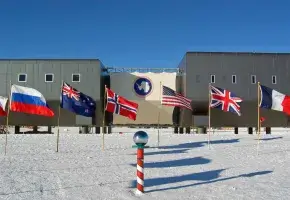
Challenges for International Scientific Partnerships aimed to articulate the benefits of international collaboration and recommend solutions to the most pressing challenges associated with the design and operation of partnerships. This initiative sought to identify policy recommendations and best practices to mitigate challenges for international science collaborations, including physical facilities, distributed networks, and peer-to-peer partnerships.
New Dilemmas in Ethics, Technology and War is a three-year study exploring the intricate, rapidly evolving relationship between advancements in military technology and the moral and ethical dilemmas that new technologies pose for states, international organizations, and global society.
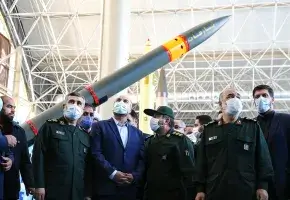
As the second phase of Meeting the Challenges of the New Nuclear Age, this initiative explored challenges created by “new” nuclear weapons states, potential proliferators, and de facto nuclear weapons states.
This multi-disciplinary Academy initiative is focused on the urgent global challenge of climate change and recommending meaningful actions to accelerate climate mitigation and adaptation strategies for all Americans.
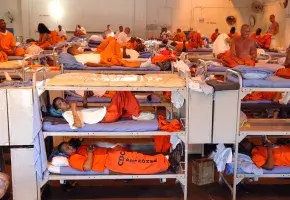
This study examined the scope of mass incarceration, its political significance, and its social impacts, weighing the concerns about crime control, rehabilitation, and more fundamental issues of social justice.